Outdoor paths should make a yard easier to enjoy rather than turning every trip across it into an obstacle course. Effective accessible outdoor path ideas focus on stable surfaces, predictable routes, comfortable widths, gentle transitions, useful lighting, and convenient connections between doors and important outdoor destinations.
Accessibility starts with the whole route, not one isolated feature.
Choose Stable Walking Surfaces
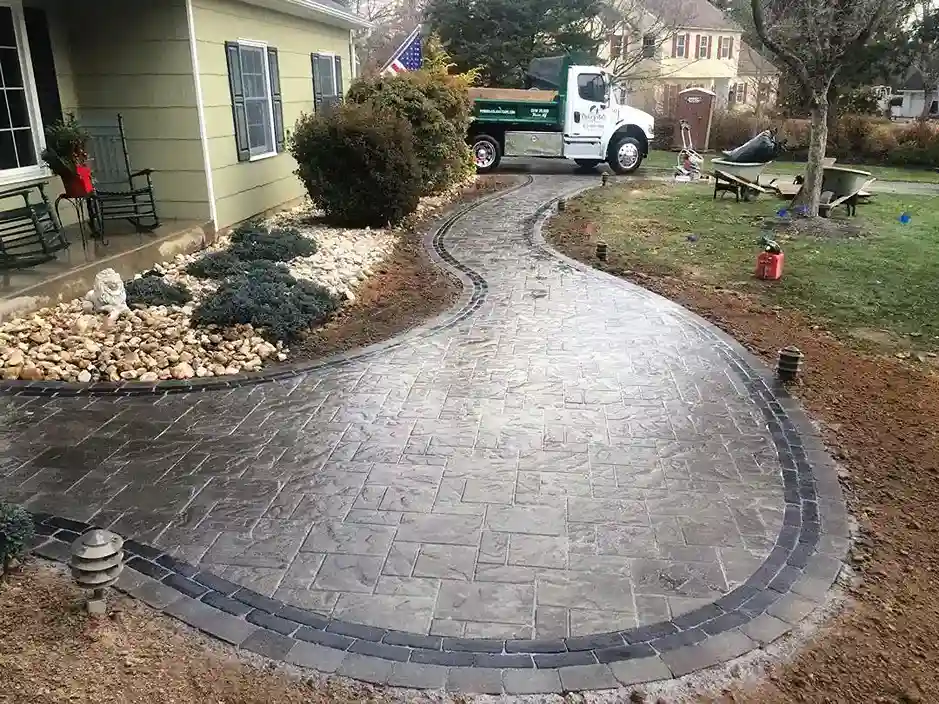
Loose gravel, irregular stepping stones, deep mulch, and badly raised pavers can create difficult footing. Firm surfaces generally provide a more predictable route for people using wheelchairs, walkers, canes, or simply dealing with reduced balance.
Homeowners comparing properties or planning future exterior improvements may also consult land and home references while considering how lot configuration affects outdoor circulation.
Keep Surface Changes Predictable
Moving suddenly from smooth concrete to loose stones or uneven lawn can interrupt an otherwise comfortable path. Transitions should feel deliberate and easy to recognize.
Drainage also matters because even a well-built path becomes less usable if water regularly collects across it.
Connect the Places People Actually Use
An accessible path shouldn’t end at a decorative garden bed while leaving the driveway, patio, shed, or side gate difficult to reach. Start with destinations that matter during ordinary routines.
Larger properties may require more careful route planning. Reviewing acreage planning considerations can help frame decisions about how buildings, parking areas, gardens, and recreational zones relate across a site.
| Path Feature | Practical Purpose | Common Problem |
|---|---|---|
| Firm surface | Stable movement | Loose material |
| Clear route | Easier navigation | Narrow obstacles |
| Resting point | Breaks up distance | Long exposed paths |
| Drainage | Keeps path usable | Standing water |
Add Comfort Along Longer Routes
Accessibility isn’t limited to whether someone can technically move from one point to another. Longer paths should also feel comfortable.
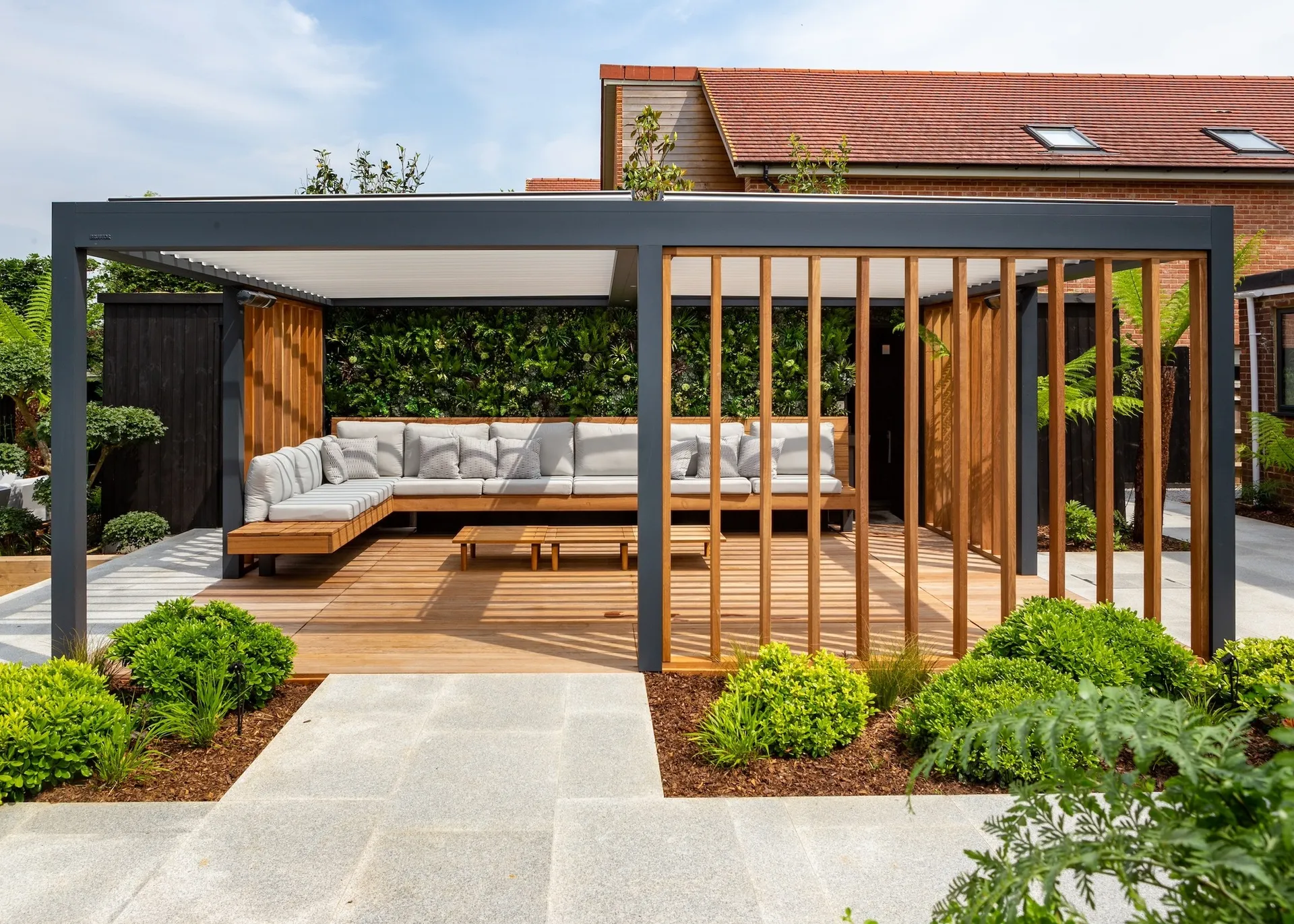
Thoughtful yard circulation concepts can help integrate benches, shaded areas, planting, patios, and pathways so accessibility feels like part of the landscape rather than an added strip of pavement.
Use Seating as Part of the Route
A bench near a garden, midway along a long walkway, or beside an entrance gives people options. Seating can also make outdoor spaces more social because someone who doesn’t want to walk far can still participate.
Shade becomes especially useful where summers are hot.
Pay Attention to Gates and Doorways
A smooth path loses much of its value if it reaches a narrow gate, high threshold, or awkward door. Evaluate the route from beginning to end.
Handles, latches, transitions, and turning space should all be considered together. Sometimes the smallest obstacle becomes the part that determines whether an outdoor area gets used regularly.
What Accessible Path Projects Often Miss
Many projects focus entirely on width while ignoring slope, drainage, maintenance, and destination. A wide path covered with leaves, cracked by roots, or ending at an inaccessible step may still be difficult to use.
Another mistake is making accessible routes noticeably separate from the main landscape. Whenever possible, one attractive route should serve everyone. Shared paths usually feel more natural and prevent accessibility features from appearing like an afterthought.
Frequently Asked Questions
What materials work well for accessible garden paths?
Smooth concrete, well-installed pavers, asphalt, and other firm surfaces can work well when properly constructed. Material choice should account for climate, drainage, maintenance, traction, and the surrounding landscape rather than appearance alone.
Should an accessible path include benches?
Benches can be valuable along longer routes or in yards used by people who tire easily. Position them where they offer shade, a pleasant view, or convenient access to gardens and social areas.
How can existing paths become easier to use?
Start by fixing uneven sections, trimming vegetation, improving drainage, removing obstacles, and correcting difficult transitions. In some cases, repairing the current route can provide meaningful improvement without replacing the entire walkway.
Build One Continuous Usable Route
The best outdoor path is one people can follow confidently from the door to the places they actually want to visit. Focus on stable surfaces, logical connections, comfortable resting areas, and trouble-free transitions. Treat accessibility as part of the overall landscape plan, and the yard becomes easier to use for visitors and household members across many ages.
Related Posts