A home that works perfectly today may not meet the same needs five years from now. Families grow, careers change, personal interests develop, and daily routines rarely remain the same forever. Yet many homeowners design their living spaces around immediate requirements without considering what might change in the future. Creating an adaptable home means thinking beyond current trends and choosing layouts, furniture, and features that can accommodate different stages of life.
Rather than constantly renovating or replacing furniture, homeowners can focus on flexibility, comfort, and practical design. A thoughtfully planned home should support changing lifestyles while maintaining its original character and functionality.
Designing Rooms With Multiple Purposes
Traditional home layouts often assign one specific purpose to every room. However, modern households increasingly benefit from spaces that can serve several functions throughout the day. A spare bedroom might initially function as a home office before becoming a nursery, study area, or guest room.
This approach is particularly relevant to Australian parents who must accommodate changing family needs as children grow. A playroom filled with toys today might eventually become a homework space, teenage retreat, or shared family entertainment area.
Furniture plays an important role in making these transitions easier. Foldable desks, modular seating, and adjustable shelving allow homeowners to modify rooms without making permanent structural changes. Choosing neutral finishes also creates greater freedom when updating a room’s purpose.
Creating Flexible Living Areas
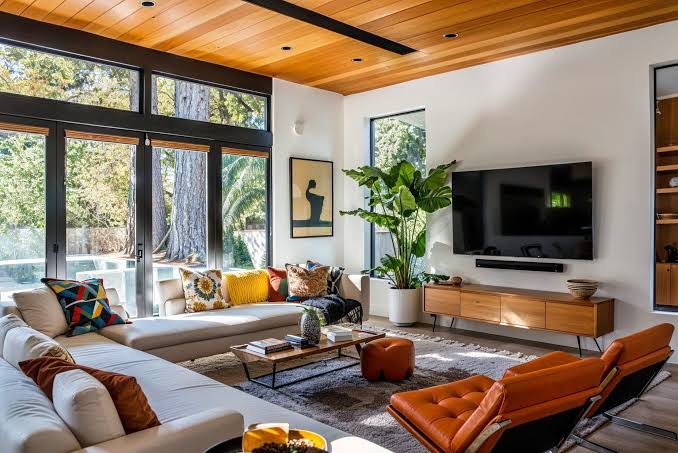
Living rooms are no longer reserved exclusively for entertaining guests or watching television. They frequently accommodate remote working, children’s activities, exercise routines, and family gatherings.
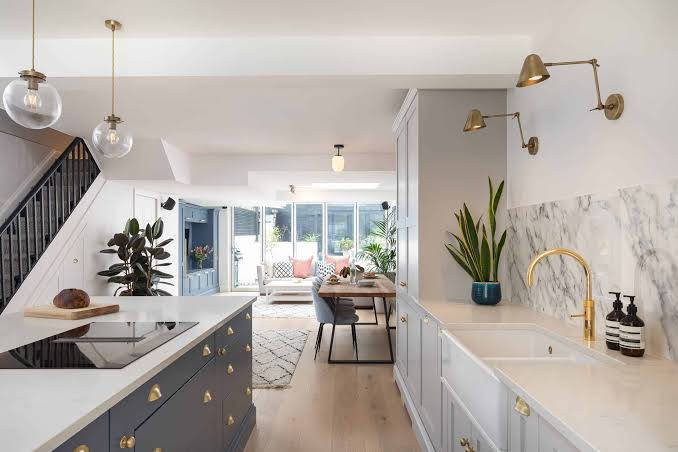
Open layouts can support these activities, but flexibility does not necessarily require removing walls. Movable partitions, lightweight furniture, and carefully positioned storage can create separate activity zones within an existing room.
Discussions surrounding Sydney news and lifestyle often reflect changing expectations around urban living, where households must balance limited floor space with increasingly diverse daily activities. This makes thoughtful furniture placement and adaptable room arrangements particularly valuable.
Instead of filling every corner with decorative pieces, homeowners can preserve open areas that accommodate future requirements. A little unused space today may become extremely useful tomorrow.
Choosing Storage That Changes With Your Needs
Storage requirements rarely remain consistent throughout life. Young professionals may need room for work equipment and personal belongings, while growing families accumulate school supplies, sports equipment, seasonal clothing, and household essentials.
Built-in cabinets with adjustable shelves offer greater flexibility than fixed compartments designed around specific items. Underbed drawers, stackable containers, and multifunctional furniture can also help households manage belongings without sacrificing living space.
Storage should remain accessible and easy to reorganize. Deep cabinets that become difficult to reach or shelves installed at inconvenient heights may eventually create frustration.
A practical storage system allows homeowners to rearrange belongings as their priorities change rather than requiring additional furniture whenever new needs arise.
Planning Home Improvements With Long-Term Comfort in Mind
Adaptability also involves considering accessibility, maintenance, and everyday convenience. Wider pathways, comfortable lighting, durable flooring, and easy-to-operate fixtures can benefit people at different life stages.
Homeowners exploring ideas through a Melbourne lifestyle blog may encounter design inspiration focused on stylish interiors, but lasting comfort depends on more than appearance. Materials should suit household activities, local conditions, and realistic maintenance expectations.
For example, flooring that withstands frequent movement may be more practical than delicate surfaces requiring constant attention. Similarly, adjustable lighting can support reading, working, relaxing, and entertaining without requiring major electrical changes.
These choices help create interiors that remain comfortable even as household routines evolve.
Making Adaptability Part of Everyday Living
An adaptable home does not need expensive renovations or complicated architectural features. Often, the most meaningful improvements involve choosing furniture carefully, avoiding unnecessary permanent installations, and reviewing how existing rooms are used.
Content and digital marketing communities such as Outreach Rangers also highlight the importance of sharing practical lifestyle ideas that remain useful beyond temporary trends. Home design follows a similar principle: lasting value comes from solutions that continue meeting real needs.
Before purchasing furniture or changing a layout, homeowners should consider whether the decision will remain useful if their circumstances change. This simple habit can prevent unnecessary expenses and encourage more thoughtful improvements.
Allowing Rooms to Evolve With Personal Interests
Personal interests often change over time, and a home should provide enough flexibility to accommodate new hobbies and activities. Someone who initially uses a spare corner for reading may eventually need space for painting, fitness equipment, musical instruments, or creative projects. Designing areas that can support different interests helps homeowners avoid unnecessary rearrangements and expensive modifications.
Instead of creating highly specialized spaces, homeowners can choose furniture and layouts that support several activities. A sturdy table might serve as a workspace, craft station, or study desk, while adjustable shelving can accommodate books, equipment, and decorative collections. Keeping electrical outlets accessible and maintaining adequate lighting also makes it easier to introduce new activities without disrupting the existing arrangement.
Preparing Living Spaces for Changing Household Dynamics
Household arrangements can change unexpectedly as children become independent, relatives visit for extended periods, or family members begin working from home. A room that once served one person’s needs may eventually need to accommodate several people with different routines and preferences.
Creating adaptable spaces involves considering privacy, accessibility, and shared functionality. Lightweight room dividers, convertible furniture, and flexible seating arrangements can help households adjust without undertaking major renovations. For example, a guest bedroom with a compact desk can provide temporary accommodation while remaining useful as a quiet workspace during ordinary weekdays.
Reviewing Home Layouts as Everyday Priorities Change
Even thoughtfully designed homes benefit from occasional reassessment. Furniture arrangements and storage systems that worked several years ago may become less convenient as routines develop. Reviewing how frequently different spaces are used can reveal opportunities to improve comfort without purchasing additional furniture or making structural changes.
Homeowners might discover that an underused dining area could accommodate a small reading corner or that rearranging bedroom furniture creates space for a more practical storage solution. Seasonal changes can also influence room usage, particularly when natural lighting, ventilation, and indoor activities vary throughout the year.
Conclusion
Creating a home that grows with your lifestyle means accepting that personal needs will continue evolving. Flexible rooms, adaptable furniture, accessible storage, and durable materials make it easier to accommodate those changes without repeatedly starting over.
A successful home is not simply one that looks attractive when first completed. It is a living environment that continues supporting its occupants through new responsibilities, changing interests, and different stages of life. By prioritizing adaptability from the beginning, homeowners can create spaces that remain practical, welcoming, and comfortable for years to come.
Top of Form
Bottom of Form
Related Posts