A rainy entrance can turn a clean hallway into a trail of water, mud, umbrellas, and damp delivery boxes. The best outdoor entry ideas handle that mess before it crosses the threshold by combining overhead protection, drainage, durable walking surfaces, and simple storage.
Even a modest covered zone can make wet-weather arrivals easier.
Extend Protection Beyond the Door Swing
A tiny roof directly above the door protects the lock but may not protect the person using it. More useful coverage extends far enough to shelter someone while opening an umbrella, unlocking the door, or carrying packages.
Deep porch roofs, compact awnings, and covered side-entry areas can all work. The best choice depends on the house style and how wind-driven rain reaches the doorway.
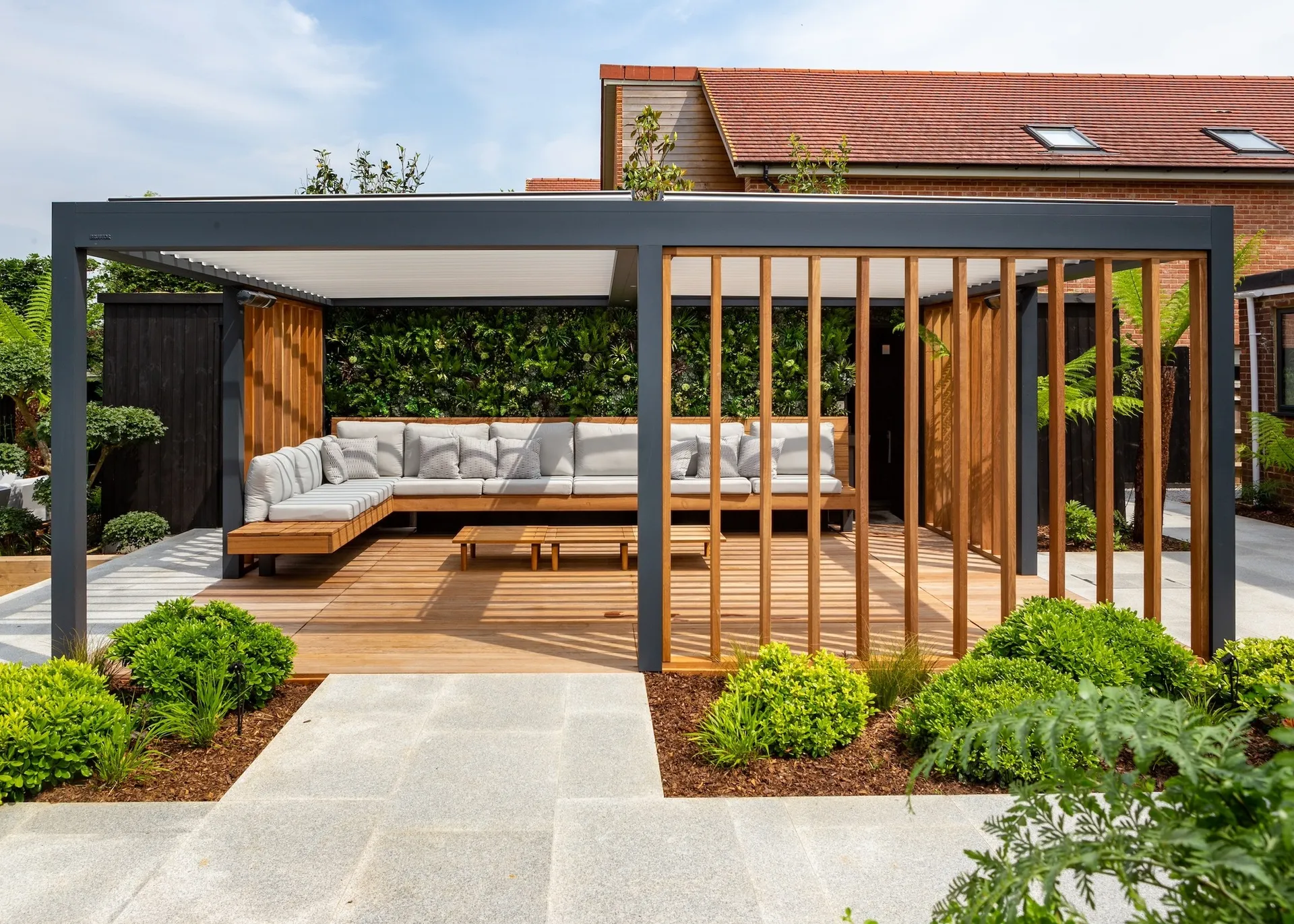
Homes with patios or water-focused yards can also borrow planning ideas from covered outdoor areas where transitions between exposed and protected spaces matter.
Create a Dry Place for Packages
Deliveries often suffer because boxes are left directly beside the door where runoff or blowing rain can reach them. A covered bench, recessed package shelf, or weather-resistant delivery box provides a more reliable landing spot.
Position it where delivery drivers can see it immediately. If a storage spot is too hidden or complicated, packages may still end up on the wet doorstep.
A protected entry can also reflect the practical comfort seen in sheltered home exteriors without requiring a large porch.
| Entry Problem | Useful Addition | Benefit |
|---|---|---|
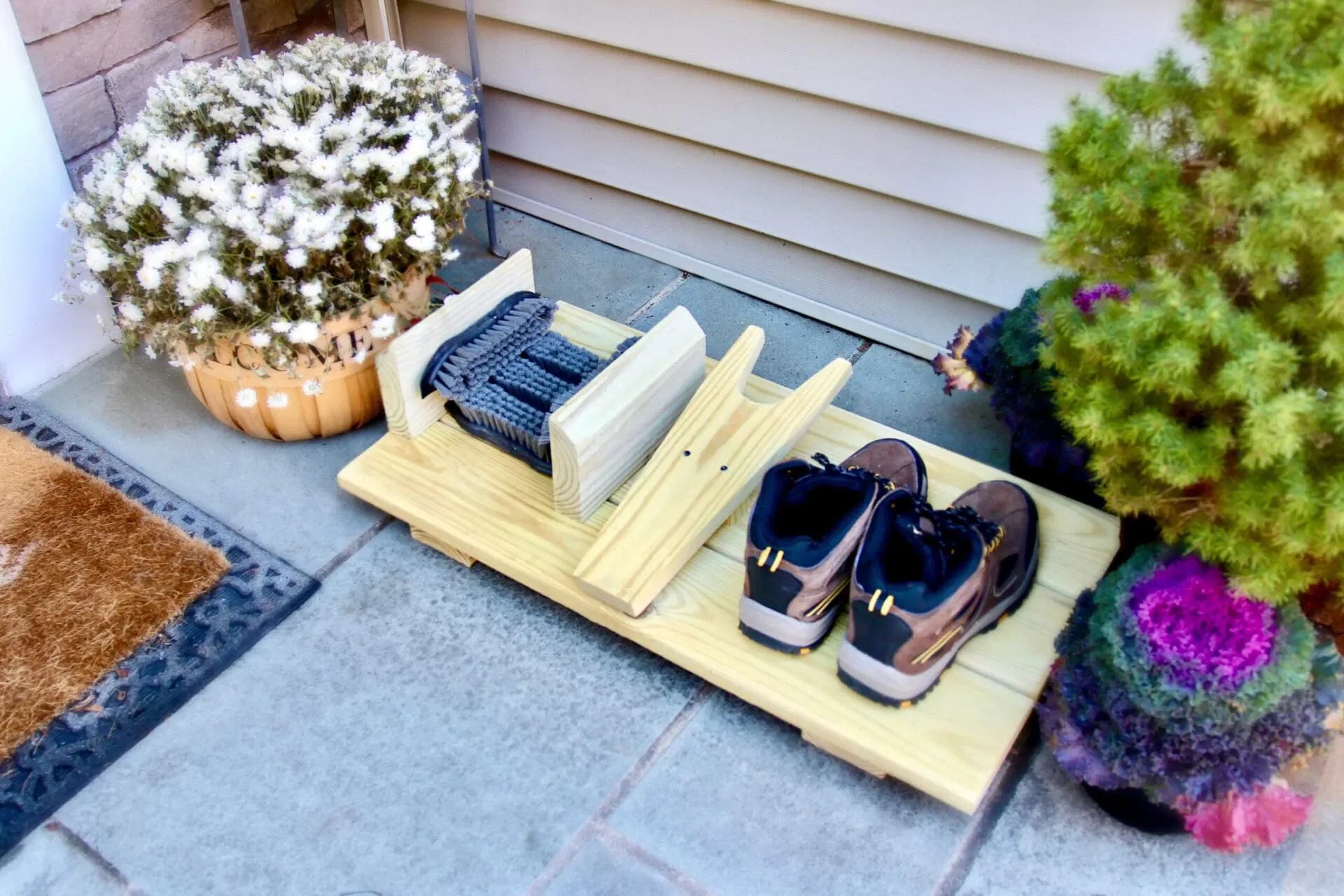
| Muddy shoes | Exterior mat zone | Removes soil before entry |
| Wet packages | Covered shelf | Keeps boxes off the ground |
| Umbrella drips | Outdoor holder | Contains water outside |
| Doorstep puddles | Better drainage | Reduces tracked-in moisture |
Treat the Ground as Part of the Entry System
Roof coverage alone won’t solve a wet entrance if water collects underfoot. The landing should shed water away from the door and avoid low spots where puddles form.
Textured pavers, broom-finished concrete, stone with suitable traction, and outdoor-rated tile can provide a more secure walking surface when wet.
Broader residential exterior planning is worth considering when an entry problem connects to grading, downspouts, driveway runoff, or other property-wide drainage conditions.
Add a Simple Wet-Item Drop Zone
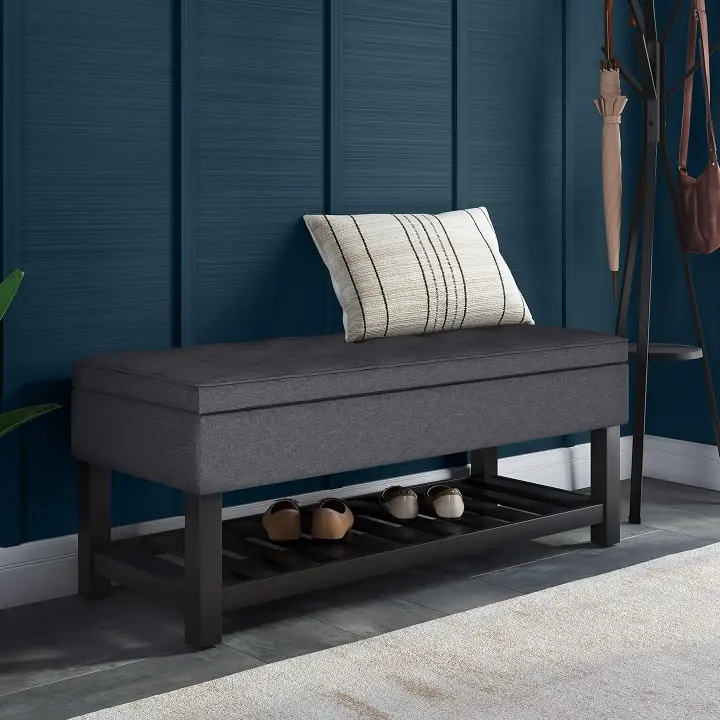
Umbrellas, muddy boots, pet towels, and reusable shopping bags all need somewhere to pause. A small wall hook rail and narrow waterproof bench can handle most of these items without making the entrance feel crowded.
Keep storage shallow
Deep cabinets can consume valuable walking space near a door. Shallow shelves, hooks, baskets, or wall-mounted racks usually work better at compact entrances.
Materials should tolerate splash and humidity. Painted exterior wood, powder-coated metal, resin, and other weather-resistant materials are easier to maintain than indoor furniture moved outside.
Where Rainy Entry Designs Can Fail
Adding a roof without considering drainage can shift water rather than solve the problem. Runoff may start pouring from an awning edge directly onto steps, pathways, or landscaping.
Another mistake is adding too many objects close to the door. Benches, planters, shoe racks, and package boxes can narrow the approach or interfere with the door swing. Keep the route obvious and prioritize shelter, drainage, and traction before decorative accessories.
Frequently Asked Questions
What type of doormat works best outside in rainy weather?
Look for an outdoor mat that drains easily and has enough texture to scrape dirt from shoes. Mats that hold water for long periods can become messy and may encourage moisture against the surface below.
How can packages be protected from rain without a porch?
A wall-mounted covered shelf, weather-resistant delivery box, or small awning can create a protected drop point. Place it close enough to the door that delivery workers naturally use it.
Should shoes be stored outside during wet weather?
Temporary outdoor storage can work for muddy or wet footwear if the area is sheltered and ventilated. Long-term storage may be less suitable where humidity, freezing conditions, insects, or wind-driven rain are concerns.
Stop the Water Before It Reaches the Floor
Stand outside during an ordinary rainfall and watch exactly where water lands, drains, and splashes. That small observation often reveals whether the real problem is roof coverage, grading, runoff, or lack of a dry staging area.
The most useful rainy-day entry isn’t necessarily large. It simply gives water and wet belongings somewhere to go before the door opens.
Related Posts