Built-ins don’t always need new doors, millwork, or expensive carpentry to feel more custom. Changing a few pieces of hardware can alter their proportions, improve usability, and give standard cabinetry a stronger design identity for a relatively modest amount of work.
The most effective upgrades usually look deliberate rather than decorative for decoration’s sake.
Replace Basic Knobs With Better-Proportioned Hardware
Small round knobs are functional, but they can make large built-ins feel generic when every door and drawer uses the same scale. Longer pulls, substantial knobs, or a carefully mixed combination can create more visual weight.
Proportion matters. Large drawer fronts can often carry wider pulls, while narrow cabinet doors generally look better with smaller hardware.
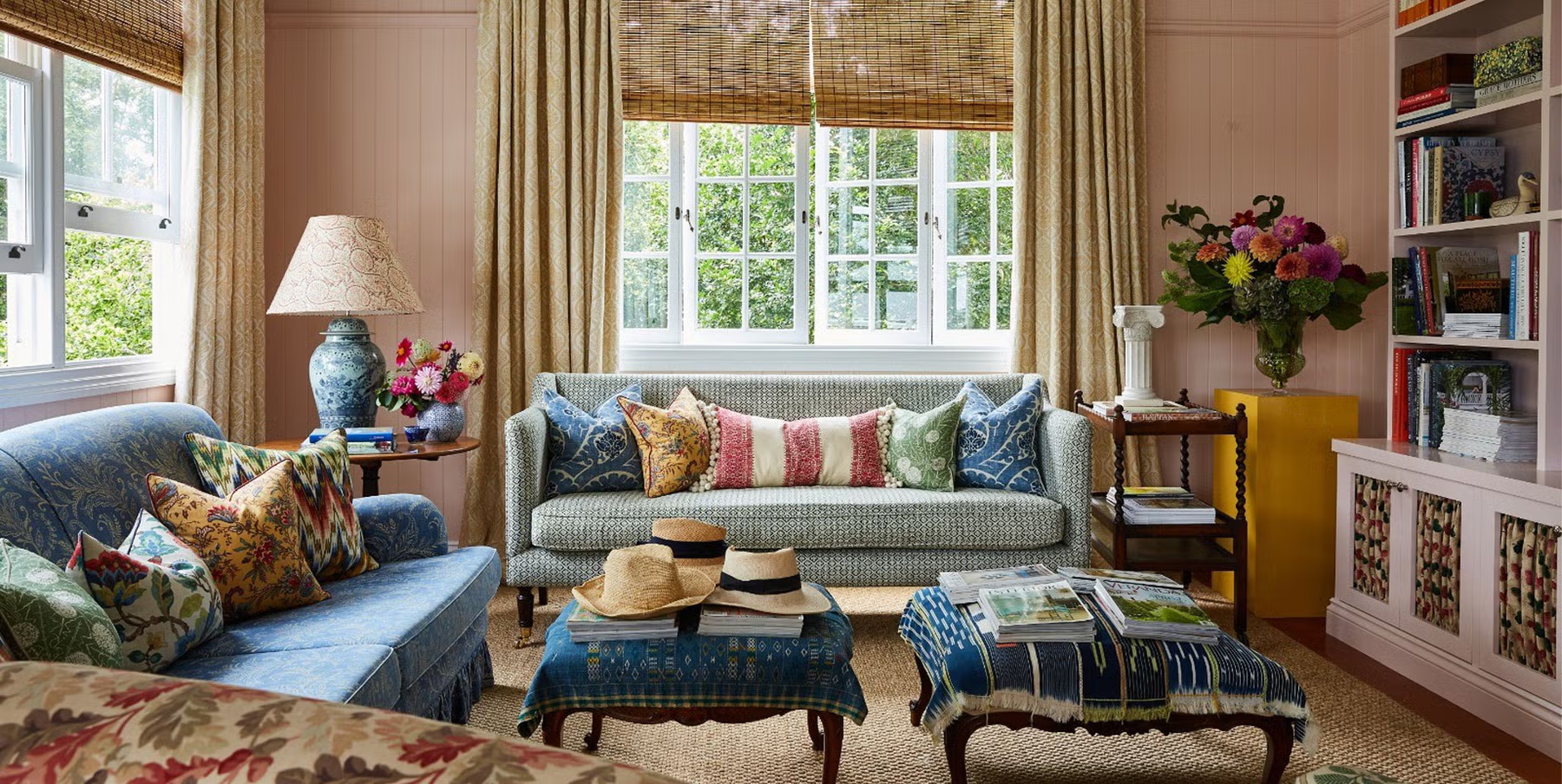
Browsing ideas for finished interiors can help you compare how different hardware scales change otherwise similar cabinetry.
Coordinate Hardware With the Built-In’s Architecture
Traditional paneled cabinetry often pairs naturally with cup pulls, latches, or classic knobs. Simple slab-front built-ins may suit slim bar pulls or understated finger-style hardware.
You don’t have to follow a strict period style, but the hardware should make sense with the door construction.
| Hardware Change | Effect | Best Use |
|---|---|---|
| Longer pulls | Adds visual scale | Wide drawers |
| Small latches | Adds furniture character | Display cabinets |
| Cup pulls | Creates traditional detail | Lower drawers |
| Minimal knobs | Keeps fronts quiet | Detailed cabinetry |
Mix Knobs and Pulls With a Clear Rule
Mixing hardware can make built-ins feel more custom because it responds to how each component is used. For example, knobs may work on upper doors while pulls make lower drawers easier to open.
The mistake is changing styles randomly. Set one rule and repeat it consistently across the installation.
That same disciplined approach appears in many residential styling examples, where repetition makes relatively small upgrades feel intentional rather than improvised.
Keep Finishes Connected
Every metal finish doesn’t need to match, but there should be a relationship between them. A built-in may combine aged brass hardware with black lighting if both finishes appear elsewhere in the room.
Randomly introducing a single new finish is usually harder to make convincing.
Add Functional Hardware Where It Helps
Customization isn’t only about appearance. Soft-close hinges, better drawer slides, magnetic catches, or thoughtfully placed cabinet latches can change how the built-in feels in daily use.
Visible hardware can also solve practical problems. A sturdy pull makes a heavy drawer easier to operate, while a latch can keep a seldom-used display cabinet securely closed.
Broader home improvement planning often works best the same way: prioritize upgrades that improve both the appearance and the way the space functions.
Avoid Making Every Detail a Statement
An easy mistake is choosing oversized or highly decorative hardware because you want the built-in to look expensive. If every knob, pull, latch, and hinge competes for attention, the cabinetry can quickly look busier instead.
Custom-looking rooms often have restraint. Let one feature lead—perhaps the pull shape or finish—while the rest supports it. Also measure existing hole spacing before buying replacements, because changing dimensions may require filling and repainting old holes.
Frequently Asked Questions
Can hardware make inexpensive built-ins look better?
Yes. Well-proportioned hardware can make inexpensive cabinetry look more considered, especially when its finish and scale suit the surrounding room.
Should built-in hardware match door handles?
It can, but an exact match isn’t required. Repeating a related metal finish or shape is often enough to connect the built-ins with nearby architectural hardware.
Is it okay to mix knobs and pulls?
Yes. Mixing them works well when the placement follows a consistent logic, such as knobs for doors and pulls for drawers.
Make the Small Changes Look Intentional
Hardware works because it sits at the point where people see and touch built-ins every day. A better pull length, more substantial knob, useful latch, or improved hinge can influence both appearance and function.
Measure carefully, establish one design rule, and resist adding too many competing details. Custom character often comes from consistency rather than complexity.
Related Posts