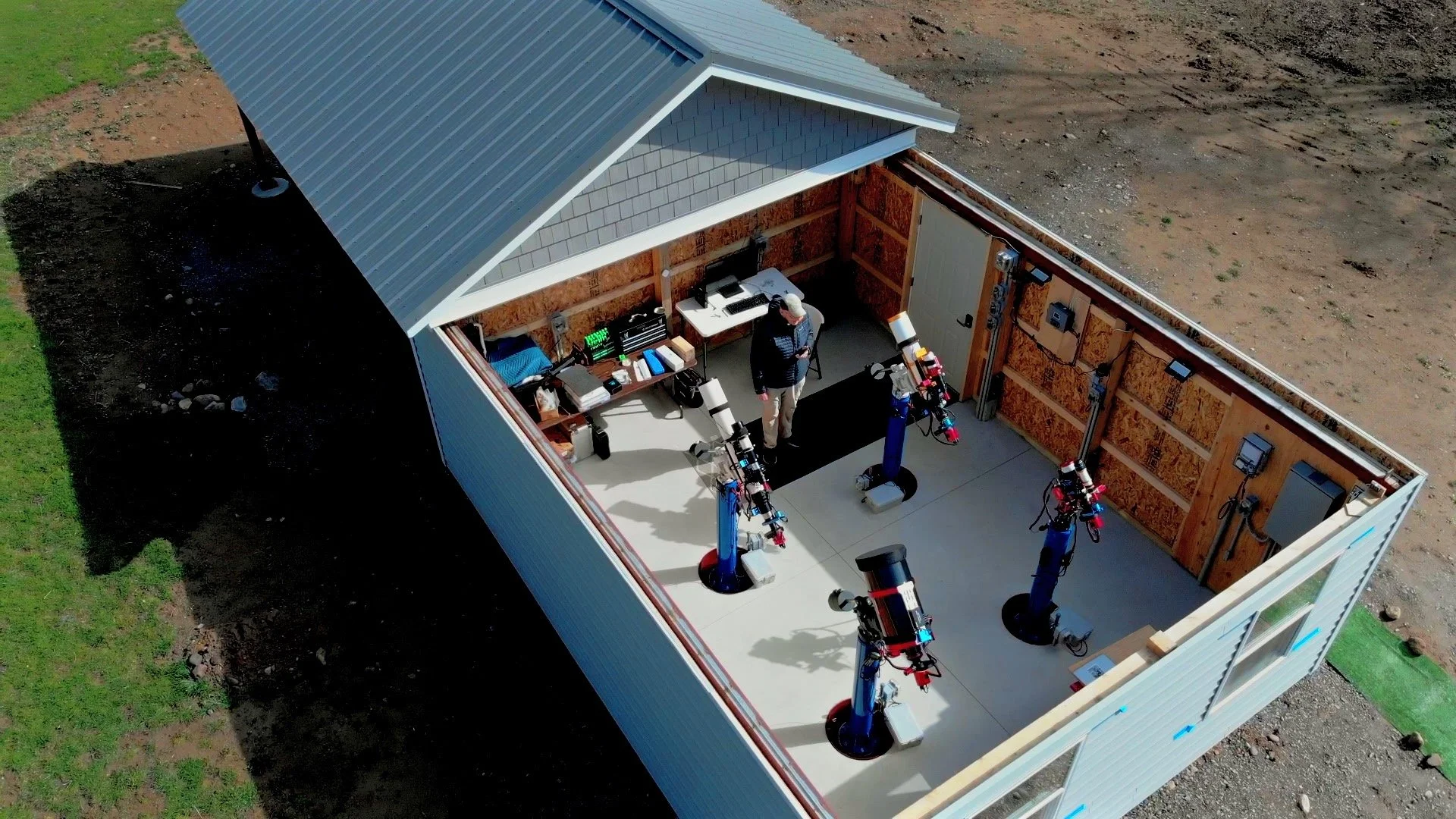
You don’t need a dedicated dome or separate building to create a useful astronomy space at home. A thoughtfully planned corner can store a telescope, organize charts and accessories, and make nighttime setup much faster.
Strong home observatory corner ideas focus on darkness, visibility, stable equipment storage, and quick access to the outdoors.
Pick the Darkest Practical Location
The most attractive room isn’t always the best place for astronomy. Bright windows, exterior lighting, and reflective surfaces can interfere with dark adaptation and make nighttime observing less comfortable.
A quieter corner with controllable lighting is usually more useful. Browsing interior planning concepts can inspire ways to dedicate a small architectural niche without making it feel disconnected from the rest of the home.
Blackout shades can help if the space has windows.
Give the Telescope a Permanent Home
Telescopes are awkward to move when surrounded by furniture. Give the instrument a clear parking position where it can remain assembled whenever practical.
Store eyepieces, filters, adapters, and small tools close by in labeled drawers. This reduces the chance of forgetting an accessory after carrying the telescope outside.
Homeowners adapting balconies, porches, or covered thresholds for viewing may also find porch layout references useful for thinking through furniture clearance and transitional indoor-outdoor movement.
| Observatory Element | Primary Job | Helpful Detail |
|---|---|---|
| Telescope zone | Equipment storage | Keep pathway clear |
| Drawer unit | Small accessories | Use divided inserts |
| Chart shelf | Maps and notebooks | Keep within seated reach |
| Low-level lamp | Night preparation | Avoid excessive brightness |
Organize Charts and Viewing Notes
Star charts, astronomy books, notebooks, and printed observing lists are easier to use when they’re stored vertically rather than piled on a desk.
A narrow bookcase works well. Keep frequently used material at eye level and reserve lower shelves for cases, cables, or less frequently used accessories.
If your observing corner connects to a yard, property planning inspiration may help when considering where trees, walls, seating, and open viewing corridors sit relative to the telescope.
Create a Simple Observation Log Station
A small writing surface can make the corner much more useful. Leave room for a notebook, pencil, tablet, or printed checklist without turning the area into a full office.
Use Lighting That Supports Night Viewing
Bright overhead lighting can undo several minutes of dark adaptation. Instead, plan the observatory corner around controlled low-level illumination.
A dimmable lamp works better than flooding the room with ceiling light. Keep screens at lower brightness during observing sessions as well.
The surrounding décor doesn’t need to be black, but extremely glossy surfaces may create distracting reflections. Matte finishes are generally easier on the eyes in a nighttime setup.
Mistakes That Complicate Home Astronomy
The biggest mistake is storing the telescope somewhere difficult to access. If observing requires moving furniture, finding missing parts, and clearing a path every time, the equipment may be used less often.
Another problem is overdecorating the astronomy corner with fragile objects, hanging ornaments, or crowded shelves. Telescopes need maneuvering space. A practical setup should reduce preparation rather than make the corner resemble a themed display.
Frequently Asked Questions
Where is the best place for a telescope inside the home?
Choose a location near the observing area with enough room to store the telescope safely. Convenient access to a balcony, patio, yard, or other viewing location can make setup much easier.
How should telescope accessories be organized?
Use shallow drawers, divided containers, or labeled cases for eyepieces, filters, adapters, and cables. Small astronomy accessories are easy to misplace, so consistent storage matters more than elaborate cabinetry.
Can a home observatory corner be used during the day?
Yes. The same area can support reading, equipment cleaning, observation planning, or astronomy study as long as daytime activities don’t make telescope access difficult.
Make Night Viewing Easier to Start
The most effective observatory corner is one that removes small barriers between deciding to observe and actually getting outside. Give the telescope a permanent spot, organize accessories close by, control the lighting, and protect open movement around the equipment. Convenience often matters more than creating a dramatic astronomy-themed room.
Related Posts