Securing your home is a primary responsibility that ensures the safety of your family and the longevity of your investment.
A truly protected property relies on a combination of robust physical security, diligent maintenance, and professional emergency preparedness.
By anticipating potential threats and fortifying your living space against them, you create a secure environment where peace of mind is the standard. This comprehensive guide outlines key strategies to help you maintain a safe, resilient, and well-protected residence for years to come.
Restoring Safety Through Comprehensive Fire Damage Cleanup
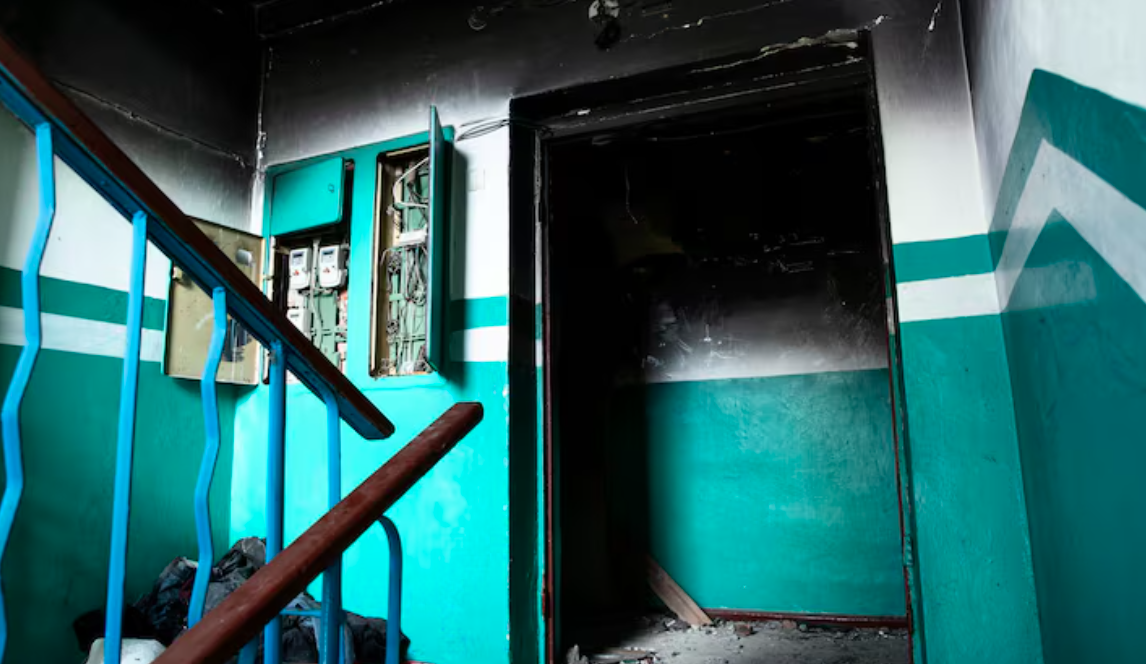
Fires are among the most devastating threats to any home, making prompt and professional fire damage cleanup an essential component of property safety.
After the immediate danger has passed, it is crucial to address the aftermath—including soot, smoke residues, and water used during firefighting efforts—to prevent long-term structural and health hazards.
Engaging certified restoration professionals ensures that your home is not only cleaned but also deodorized and reconstructed to meet safety standards.
A thorough restoration process guarantees that the air quality is safe to breathe and that your home is structurally sound before you resume daily life within your residence.
Prioritizing Health and Hygiene With Mold Remediation
Moisture is the silent enemy of home safety, often leading to fungal growth that can compromise your family’s health and the integrity of your walls.
Implementing a professional mold remediation plan is vital when you notice damp odors, discolored patches, or signs of water intrusion in hidden areas like attics and basements.
Experts identify the source of the moisture and use specialized equipment to safely remove the growth, restoring your home to a hygienic, healthy state.
Addressing these issues early prevents respiratory risks and protects your property from the significant, costly damage that neglected fungal colonies can cause.
Fortifying Entry Points and Perimeter Security
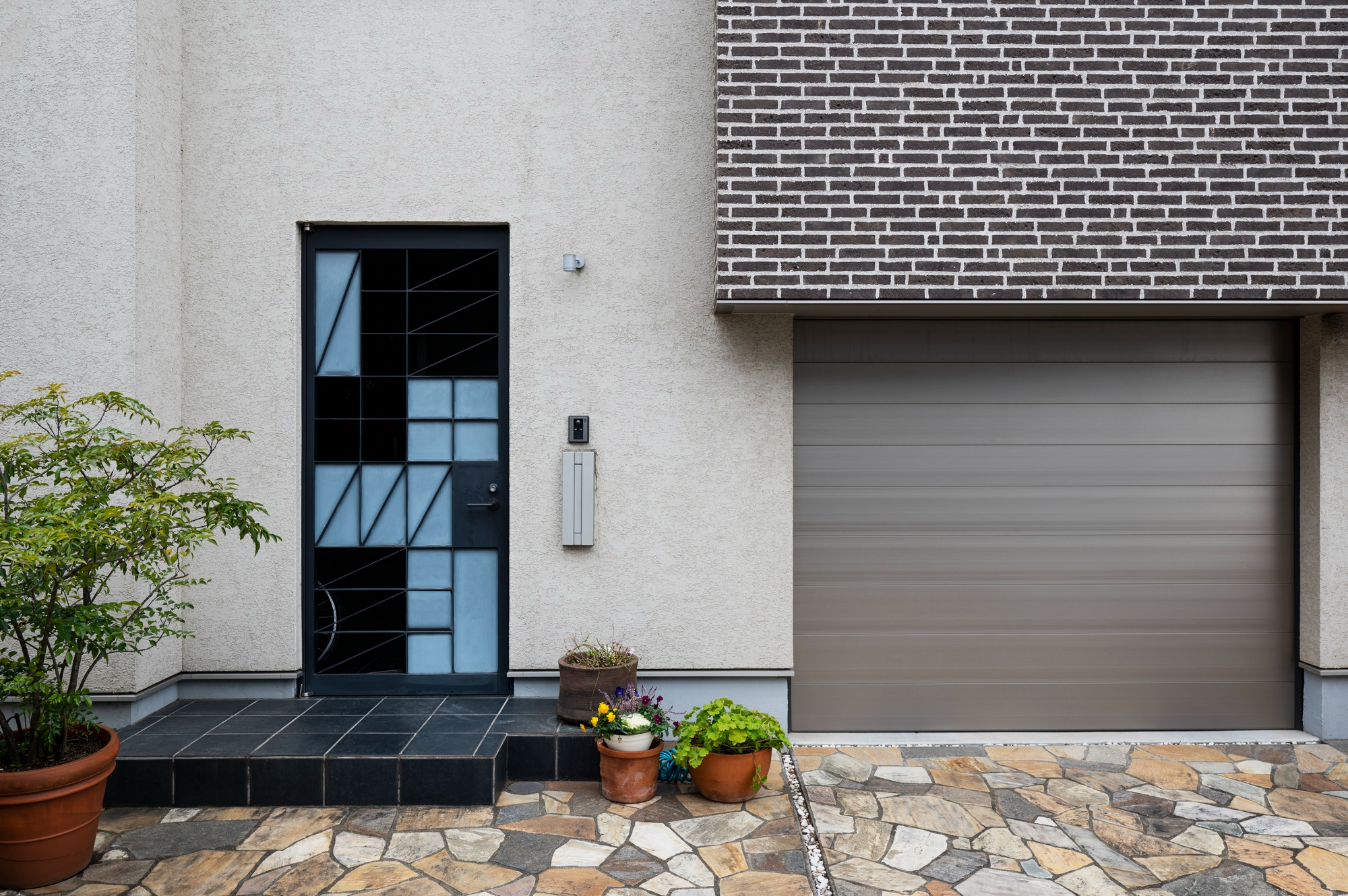
The first step in home protection is securing physical access points. Ensure that all exterior doors are equipped with high-quality deadbolts and that windows feature reliable locking mechanisms.
Consider installing motion-activated lighting around the perimeter of your house to eliminate dark areas that could provide cover for intruders.
A well-lit home, combined with reinforced entryways, acts as a powerful deterrent, signaling that your property is monitored and well-guarded against unauthorized access.
Implementing Integrated Alarm and Monitoring Systems
Modern technology offers powerful tools for property protection. Integrating a comprehensive alarm system—complete with door sensors, glass-break detectors, and security cameras—allows you to monitor your home in real time.
Remote access features enable you to receive instant alerts on your smartphone, ensuring you are aware of any potential activity. These systems not only alert you to security breaches but also provide essential documentation if an incident occurs, making them a cornerstone of modern residential safety.
Managing Environmental and Structural Risks
Safety is not just about human threats; it also involves managing the natural risks posed by your environment.
Regularly inspect your roofing, siding, and foundation to ensure the building envelope is sealed against harsh weather.
Keeping trees trimmed away from the house prevents damage from falling limbs during high winds. By maintaining a clean, clear exterior, you prevent accidental damage and ensure that your property remains resilient against environmental wear and tear.
Related Posts