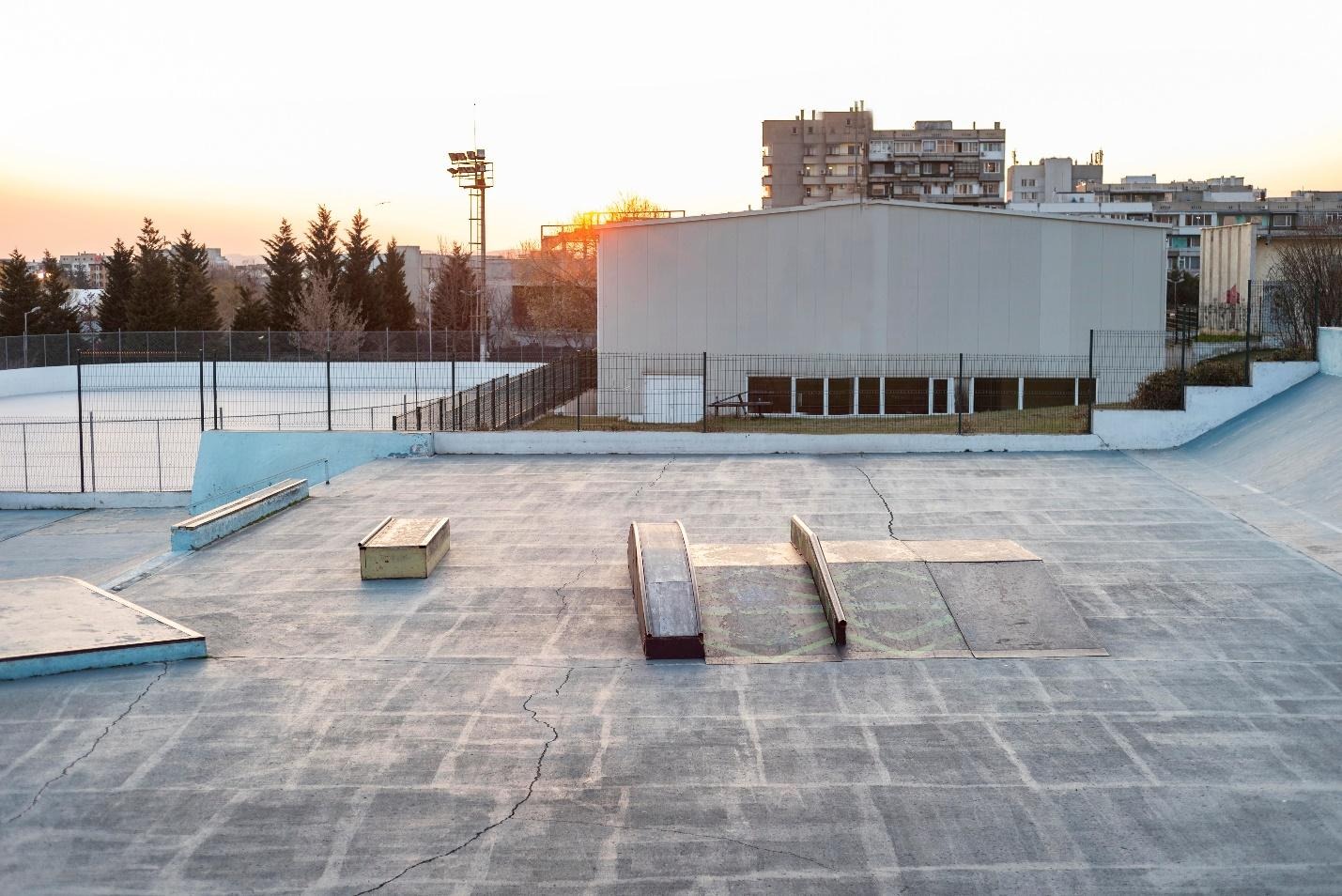
Flat roofing is also called low-slope or membrane roofing. It is designed to cover an entire building at a uniform level while maintaining a slope to ensure proper drainage. Since they offer extra space, they’re popular in both residential and commercial buildings.
In urban settings, space is more limited, so these spaces offer a practical solution by maximizing available area.
In today’s article, we’ll discuss different types of these roofs and how they’re better than other types of roofs.
Types of Flat Roofs
Flat roofing comes in different types, depending on the type of material used. Cold flat roofs have built-in insulation installed between the roof decks. This type works amazingly well in areas with high moisture (and you want to control it)
In warm flat roofs, insulation sits above the deck. They also feature a waterproof membrane that provides exceptional protection against condensation. Similarly, we have green flat roofs covered with vegetation.
In built-up roofing, multiple layers of bitumen are used to ensure uncompromising durability.
How They Are Installed
Before the installation, your contractor will conduct an in-depth assessment of your roof to determine whether the building can support its load. Then a solid deck (typically made of plywood), is installed over the structural supports. The contractor will also add an insulation layer to enhance efficiency and regulate temperature.
A waterproofing layer is also installed using a membrane sheet. Around roof penetrations, metal flashing is installed to prevent water infiltration.
After laying all that foundation, a protective layer of gravel or a reflective coating is added to block harmful UV rays.
Benefits of Flat Roofing
These are more affordable than other forms because their material is cheaper. The laborious costs associated with them are also lower, as they require less specialized equipment.
Installing them is also straightforward and safe. While the worker still works at height, they don’t have to deal with an incline.
Flat roofs are more versatile, which means they can be used for a variety of purposes. You don’t need to adjust their shape or height for different locations. If you have a lower extension, you can even use a flat rooftop as an extra deck or balcony. And since they have no gaps, they’re more energy-efficient and allow less air to penetrate the building.
How to Choose the Right Roof Material
If you want to enhance the longevity and performance of your roof, it’s important to choose the right material for your needs. Felt roofing offers solid protection and lasts 10-20 years, but it requires regular maintenance.
The EPDM rubber roofing is used in areas with extreme weather conditions. It could even work for 20-50 years. GRP fiberglass roofing is highly durable and is typically used on balconies. And if your home has a complex shape, the liquid-applied roofing would work best.
Bottom Lines
The type and material you choose greatly depend on your property and budget. You work with an experienced contractor to make an informed decision.
Related Posts