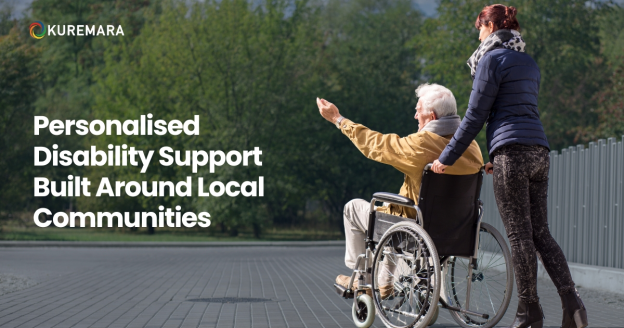
Every person living with disability deserves support that feels personal, respectful, and meaningful. While the NDIS provides national funding and structure, the quality of a participant’s experience depends heavily on the support available in their local community. Factors such as neighbourhood accessibility, cultural diversity, transport options, social activities, and the strength of local service networks all influence the type of disability support someone receives.
Localised, community-focused support ensures participants are not just accessing services they are genuinely supported to live a life of independence, confidence, and connection.
Why Local Support Makes a Difference
NDIS participants often thrive when their support workers understand the local area, its community resources, its lifestyle, and the everyday needs that come with living in that region.
Local providers can offer:
- Faster response times
- Familiar, well-matched support workers
- Knowledge of local programs and activities
- Better access to community events
- A more personalised, relationship-based support model
Participants benefit from services that reflect their culture, environment, and personal preferences.
Families exploring disability support in local Melbourne regions often look for trusted services connected to NDIS Sunshine, where participants benefit from community familiarity, multicultural engagement, and personalised support tailored to local routines.
Understanding the Needs of Growing Communities
Different communities have unique strengths and challenges. Providers who recognise these differences can design more effective support plans.
Urban and Inner-City Areas
- Greater access to public transport
- More therapy and specialist services
- Larger community programs and social groups
Suburban Growth Corridors
- Increasing demand for NDIS supports
- Expanding community hubs and disability-friendly spaces
- Strong family and cultural networks
Regional and Outer-Metropolitan Areas
- Better continuity of care
- Community events that encourage belonging
- Slower-paced environments ideal for therapeutic routines
A provider who understands these local dynamics can deliver more meaningful, practical support.
As Melbourne’s outer suburbs expand, many participants seek reliable support services linked to NDIS Cranbourne, where diverse communities, new developments, and growing accessibility options shape the type of care participants need.
What Quality Local Support Includes
NDIS participants across all communities commonly access a mix of services that promote independence, confidence, and personal growth.
1. Daily Living Support
Help with personal care, meals, home tasks, and skill-building.
2. Community Participation
Support to attend appointments, activities, cultural events, and social outings.
3. Support Coordination
Guidance to navigate NDIS funding, connect with providers, and understand plan management.
4. Social and Emotional Wellbeing Support
Building friendships, communication skills, confidence, and resilience.
5. Independent Living Support
Helping participants learn life skills, prepare for independent housing, or transition into shared living options.
6. Therapy and Capacity-Building Services
Allied health professionals can support physical, cognitive, and behavioral development.
7. Transport Assistance
Ensuring participants can safely travel to appointments, work, school, or community activities.
Choosing the Right NDIS Provider
When selecting support, participants and families often consider:
- Experience with similar support needs
- Local community knowledge
- Good communication and responsiveness
- Positive relationships with participants
- Well-trained, respectful support workers
- Flexibility in service delivery
The right provider prioritises independence, dignity, and personalised care.
Building a Connected and Empowered Future
The NDIS is more than a funding system it is a pathway to confidence, stability, and independence. When participants receive support that reflects their community, lifestyle, and unique needs, they are better positioned to build meaningful routines, engage socially, and achieve personal goals.
Whether in a vibrant multicultural suburb, a growing outer-metropolitan community, or a close-knit regional area, every participant deserves support that respects who they are and how they want to live.
With community understanding, strong support networks, and personalised care, individuals can thrive not just access services.

Related Posts