
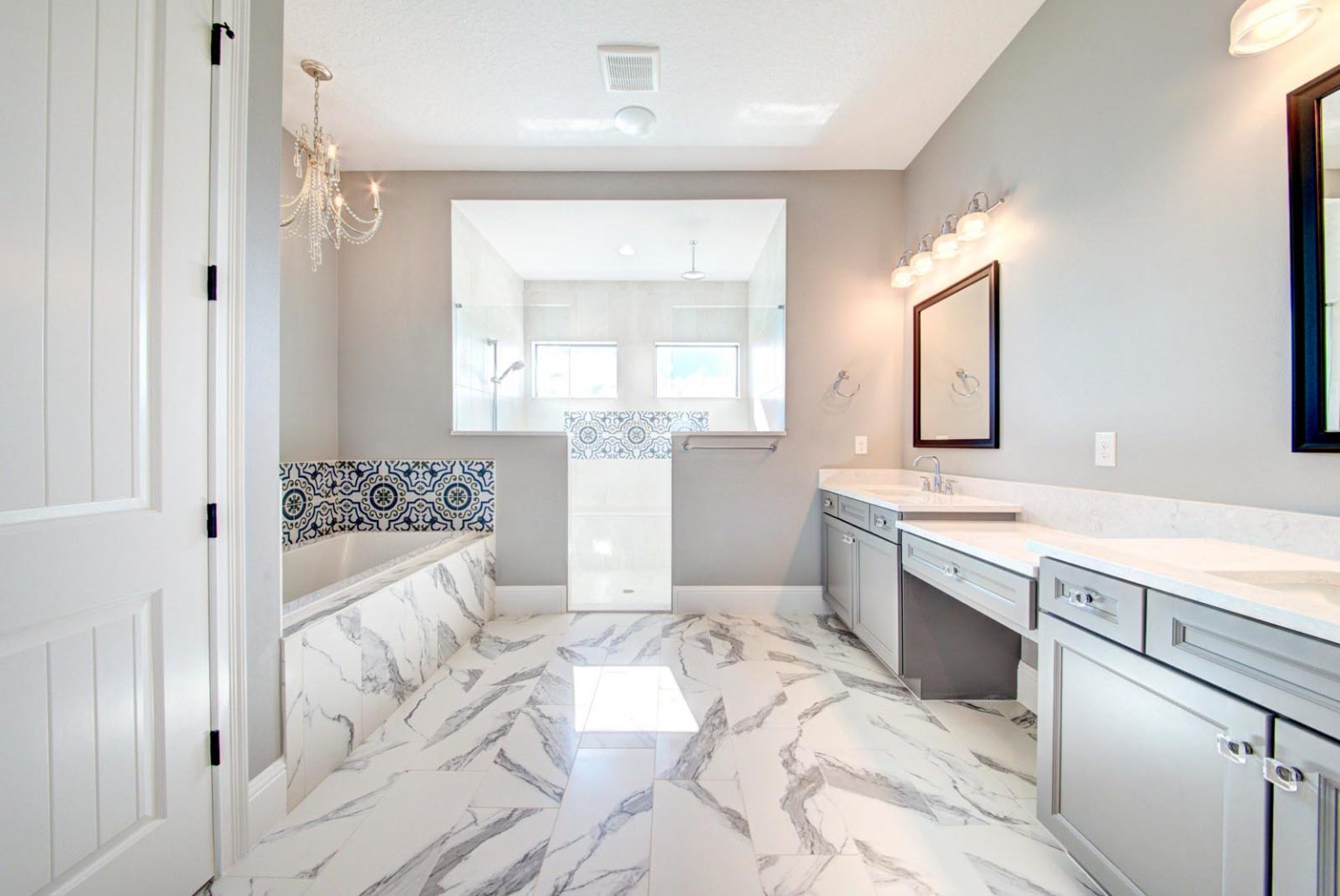
A kitchen or bathroom remodel changes how a home feels and functions while adding meaningful value. These renovations represent significant investments of both money and trust. The contractor chosen determines whether the project flows smoothly or becomes a source of constant stress and frustration.
Poor contractor choices lead to abandoned job sites, shoddy workmanship, budget overruns, and legal disputes. Smart contractor selection means working with skilled professionals who communicate clearly, respect timelines, and deliver quality results. If planning a complete Bathroom Remodel or kitchen overhaul, the decision about who handles the work shapes the entire experience and outcome.
How Do I Define My Remodeling Project Needs and Goals?
Clearly defining your project scope, budget, and expectations creates a foundation for finding the right contractor and prevents miscommunication.
- Start by determining exactly what the remodel needs to accomplish.
- Consider whether the project involves updating fixtures and finishes, or completely reconfiguring the layout with new plumbing and electrical work.
- A clear budget lets contractors give accurate, detailed quotes without guesswork. Include a contingency fund of 10-15% to cover unexpected issues that may arise during demolition.
- Decide whether the project tackles only the kitchen, just the bathroom, or both spaces simultaneously. List must-have features versus nice-to-have upgrades.
This clarity helps contractors understand priorities and suggest solutions that fit financial parameters.
Research and Shortlist Potential Contractors
Thorough research identifies qualified contractors in the area who specialize in kitchen and bathroom renovations.
Where to Find Contractors
Start the search with these methods:
- Ask friends, family, and neighbors for recommendations based on their experiences
- Search online directories like Houzz, Angi, and HomeAdvisor for local professionals
- Check local building supply stores for contractor referrals
- Read online reviews on Google, Yelp, and the Better Business Bureau
Creating Your Shortlist
Shortlist three to five contractors with steady positive reviews and proven reliability. Pay attention to comments about communication, timeliness, and problem resolution. Reviews mentioning kitchen or Bathroom Remodel projects similar to the planned renovation carry extra weight.
Verify Credentials and Experience
Confirming licensing, insurance, and specialized experience protects homeowners legally and ensures quality workmanship.
Check Licensing and Insurance
Every contractor on the list should have proper credentials. Verify that they hold valid state and local remodeling licenses. Request copies of insurance certificates and call the insurance company directly to confirm active policies covering both general liability and workers’ compensation.
Assess Experience Level
Ask about their specific background with questions covering business longevity, annual project volume, style specialization, and reference availability. Contractors with substantial track records bring valuable problem-solving skills.
Those who focus primarily on kitchens and bathrooms understand the unique plumbing, electrical, and ventilation challenges these spaces present.
Review Portfolios and Past Projects
Examining a contractor’s previous work reveals their craftsmanship quality, design capabilities, and attention to detail.
Examine Their Portfolio
- Request to see their portfolio of completed projects with photo galleries
- Look for finishes, layouts, and design elements that match aesthetic preferences
- Ask about visiting completed job sites or ongoing projects
- Check tile alignment, cabinet fit, finish quality, and overall attention to detail
Contact Previous Clients
Contact previous clients to ask about budget adherence and complication handling. Walking through actual work provides insights that photos cannot capture. Observing how they maintain job site organization also speaks volumes about their professionalism.
Ask Questions and Evaluate Professionalism
A contractor’s communication style, responsiveness, and approach to projects reveal how smoothly the remodel will proceed.
Schedule In-Person Meetings
Schedule in-person consultations with shortlisted contractors. Their behavior during this meeting predicts how they will perform throughout the project. Notice punctuality, preparedness, and whether they listen more than they talk.
Key Questions to Ask
Ask detailed questions about daily project management, subcontractor relationships, design decision processes, communication frequency, and job site security measures. Strong contractors answer questions thoroughly without evasiveness.
They offer suggestions based on past challenges while respecting the homeowner’s vision. If communication is weak during estimates, it usually gets worse once the project begins.
Gather and Compare Detailed Quotes
Written estimates with itemized costs allow accurate comparison and prevent surprise charges during the remodel.
Request Detailed Estimates
Request written estimates from at least three contractors. Quality quotes break down costs by category, including materials, labor, permits, and disposal fees. They specify product brands, model numbers, and finish selections rather than vague descriptions.
Compare Key Elements
Compare quotes carefully by examining the total project cost and payment schedule structure. Look at specific materials and brands included versus generic placeholders. Review labor costs, crew size, and estimated hours required.
Check the timeline from start to substantial completion. Identify exclusions that might require additional payment later. Be wary of quotes far lower than the others because they often hide missing details, cheap materials, or unqualified labor.
Understand Payment Terms
Reputable contractors request deposits, with subsequent payments tied to specific milestones like demolition completion, rough-in inspection, or fixture installation.
Assess Project Management and Timeline Approach
Understanding how contractors manage scheduling, permits, and inspections prevents delays and ensures code compliance.
Discuss Realistic Timelines
Discuss realistic timelines for the specific project:
- Kitchen remodels typically take several weeks to months, depending on the scope
- Bathroom remodels vary based on complexity and custom elements
- Task sequencing and subcontractor coordination affect the overall duration
- Permit applications and inspection schedules add time to the process
Clarify Permit Handling
Clarify their approach to permits and inspections. Licensed contractors handle permit applications, schedule required inspections, and ensure work meets current building codes.
Plan for Contingencies
Understand their contingency planning for hidden rot, outdated wiring, or plumbing issues that frequently emerge during demolition. A good contractor explains how unexpected issues will be reported, priced, and handled without throwing the schedule off.
Review Contracts Thoroughly
A comprehensive written contract protects both parties and clearly defines expectations, responsibilities, and remedies.
Insist on Written Agreements
Never start work based on verbal agreements alone. Insist on a detailed written contract before any demolition begins.
Essential Contract Elements
The contract should include the complete scope of work with specific tasks and materials listed. It needs the project start and estimated completion dates to be clearly stated. Total cost broken down by labor, materials, and other expenses must appear.
Payment schedule tied to measurable milestones prevents disputes. Change order processes with pricing guidelines protect against scope creep. Warranty information for both labor and materials ensures long-term protection.
Review Before Signing
The contract should clearly define cleanup responsibilities and debris removal. Dispute resolution processes provide clear paths if problems arise. Read every section carefully before signing. Question unclear terms or missing details. For large projects, consider having an attorney review the agreement. Ensure both parties sign and date all pages, and retain a copy for records.
Final Selection: Trust and Fit
Beyond credentials and quotes, choose a contractor to trust and feel comfortable working with throughout the project.
Trust Your Instincts
By this stage, the choice has narrowed to one or two finalists. Make the final decision based on these factors. Trust instincts about personality compatibility. Remodeling means having contractors in the home daily for weeks. Choose someone whose approach and demeanor create confidence rather than anxiety.
Final Reference Check
Check references one last time with specific questions about recent projects. Recent work reflects current quality standards and reliability better than jobs completed years ago.
Watch for Red Flags
Watch for warning signs like pressure to sign immediately, reluctance to provide documentation, significantly lower bids without explanation, requests for large upfront payments, or poor communication during estimates. The right contractor combines technical expertise with honest communication and a genuine interest in satisfaction.
Conclusion
Choosing the right contractor for a kitchen or bath remodel requires diligent research, careful evaluation, and trusting judgment. Define project scope and budget from the start. Research multiple contractors and verify their credentials thoroughly. Review their portfolios and speak with previous clients about their experiences. Ask detailed questions about processes and team composition. Compare itemized written quotes that explain all costs. Ensure contracts address every aspect before signing. Most importantly, the outcome is a beautiful, functional space that enhances the home for years to come.
For homeowners who want expert support with kitchen or bathroom remodeling, working with a qualified team ensures a smoother process and dependable results. One trusted option in the region is Precise Restoration and Remodeling, known for clear communication, realistic timelines, and transparent pricing. A consultation helps you understand your project’s needs and get straightforward guidance from professionals.
FAQs
What should I look for in a kitchen or bath remodeling contractor?
Look for contractors with proper licensing, insurance, strong references, relevant experience in kitchen or bathroom projects, and a proven local reputation.
How do I compare remodeling contractor quotes?
Compare quotes by ensuring they are detailed, include itemized costs, specify project scope and materials, and clearly outline the timeline and payment terms.
Is it important to check a contractor’s previous work?
Yes, always review a contractor’s portfolio or photos of past projects and contact previous clients to confirm quality and satisfaction.
What questions should I ask a potential contractor?
Ask about their experience with remodels like yours, insurance and licenses, schedule, approach to permits, who will be on-site, and how unexpected issues are handled.
How can I avoid hiring an unreliable or unqualified contractor?
Request written estimates, verify licenses and insurance, check online reviews, and avoid contractors who pressure you or refuse to provide documentation.
